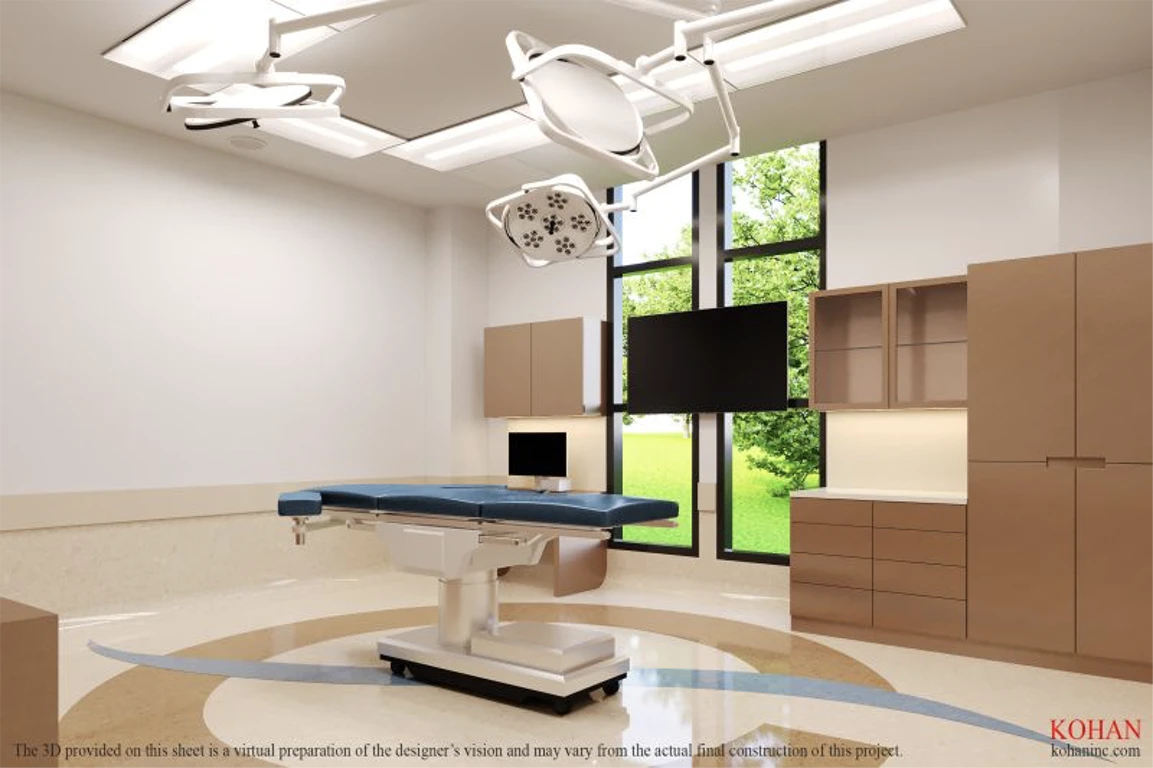

By Marzi Emami Ghoreishi
For years, operating rooms were designed with one primary focus: function. Sterility, equipment access, airflow, and efficiency shaped every design decision — often at the expense of the human experience. The result? Clinical spaces that felt cold, stressful, and disconnected from the people using them.
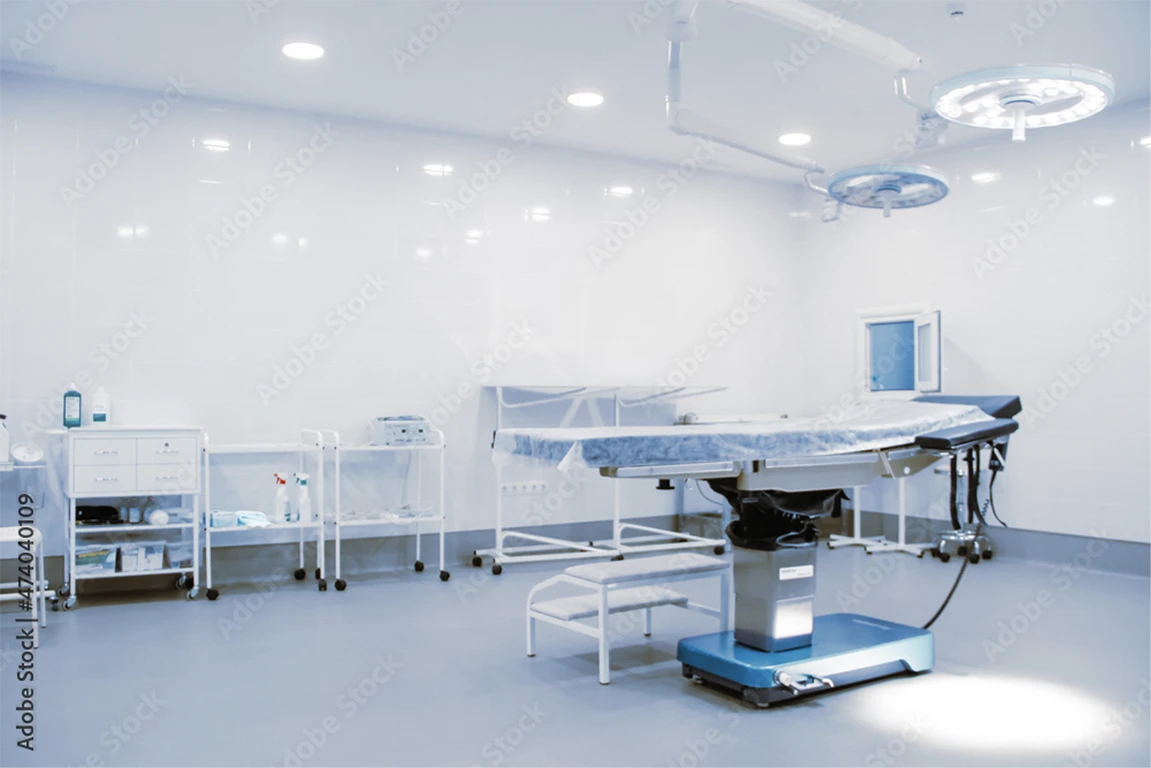
But healthcare design is evolving.
Today, the operating room should not only be the most functional room in the facility, it should also be one of the most thoughtfully designed and beautiful spaces within it.
Why? Because the OR is the heart of the healthcare environment.
It is where critical procedures happen, where medical teams spend long hours under pressure, and where patients experience some of the most vulnerable moments of their lives. The design of that space matters more than ever.
A well-designed OR must first perform flawlessly:
- optimized workflow,
- integrated medical technology,
- infection control,
- clear circulation,
- ergonomic planning,
- and coordinated systems are non-negotiable.
But functionality alone is no longer enough.
Modern healthcare environments are recognizing the impact that architecture, lighting, materials, acoustics, and spatial experience have on both patient outcomes and staff wellness. Studies continue to show that thoughtfully designed environments can reduce stress, improve focus, support staff performance, and elevate patient confidence.
Beauty in an OR does not mean decorative excess. It means intentional design:
- calming and balanced lighting,
- seamless integration of equipment,
- warm yet clean material palettes,
- organized ceilings and millwork,
- reduced visual clutter,
- and environments that feel controlled, sophisticated, and human-centered.
Surgeons, nurses, and clinical teams spend thousands of hours inside these rooms. Patients remember how these spaces made them feel. Design should support both.
At Kohan, we believe healthcare spaces can achieve the highest level of medical performance while also delivering an elevated architectural experience. The future of surgical design is not choosing between beauty and function — it is understanding that the best environments require both.
Because the most important room in the facility deserves the highest level of design attention.